Here's a plain-English explanation of what each option actually is, how they're funded, what daily life looks like in each, and what happens when you need both.
What is a retirement village?
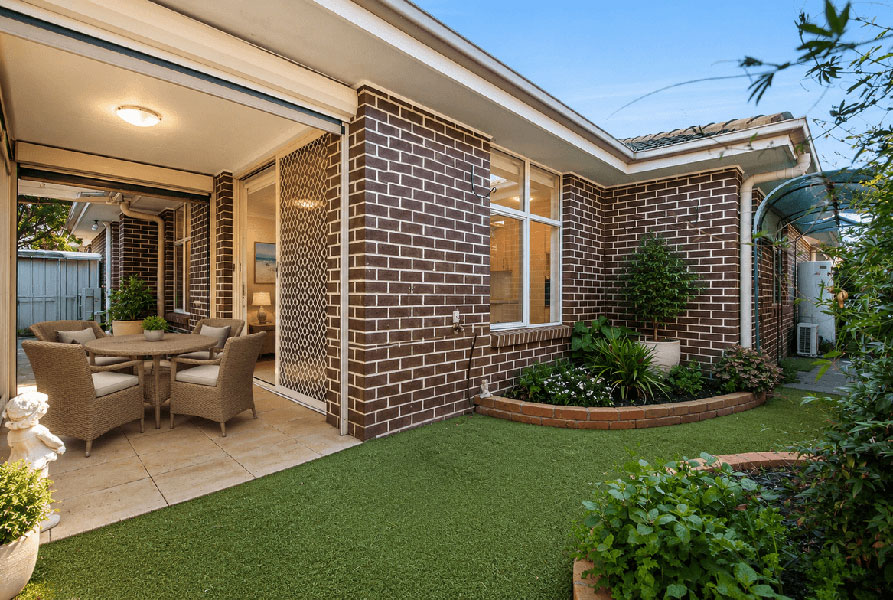
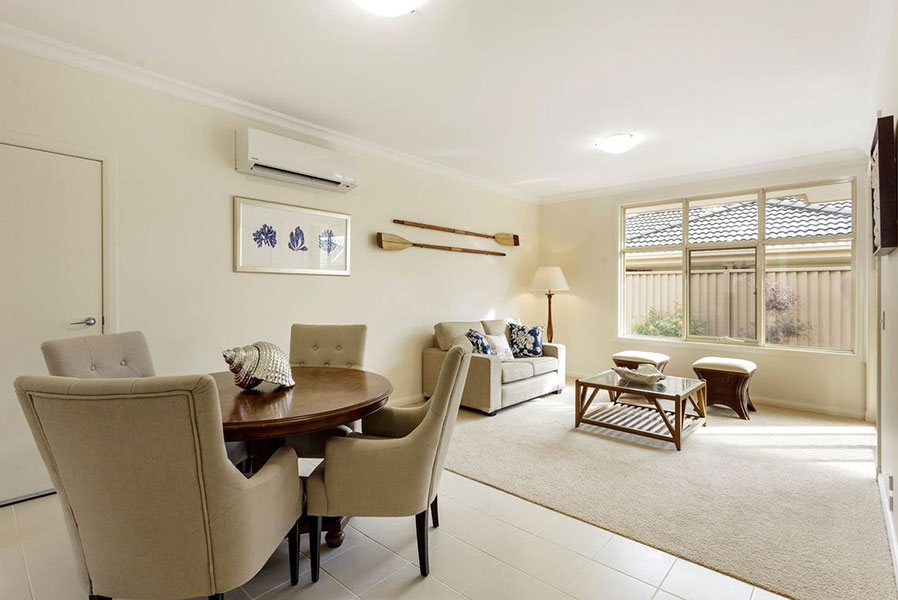
A retirement village is a community of independent residential villas, apartments, or townhouses designed for people typically aged 55 and over. Residents live in their own homes, manage their own lives, and choose how much or how little they engage with the broader community.
Retirement Villages vary widely in size, quality, and what's included. The better ones offer resort-style amenities: clubhouses, bowling greens, pools, restaurants, gardens, and a calendar of social events. Entry requires an ingoing contribution (a significant payment, usually 60–80% of the local median house price), and residents pay ongoing monthly fees that cover maintenance, insurance, and shared facilities.
Crucially: a standard retirement village is for independent living. Care services may be arranged (home care workers visiting your villa, for instance), but the village itself doesn't provide nursing care. If your health needs change significantly, a standard village may not be able to accommodate you.
What is a nursing home?
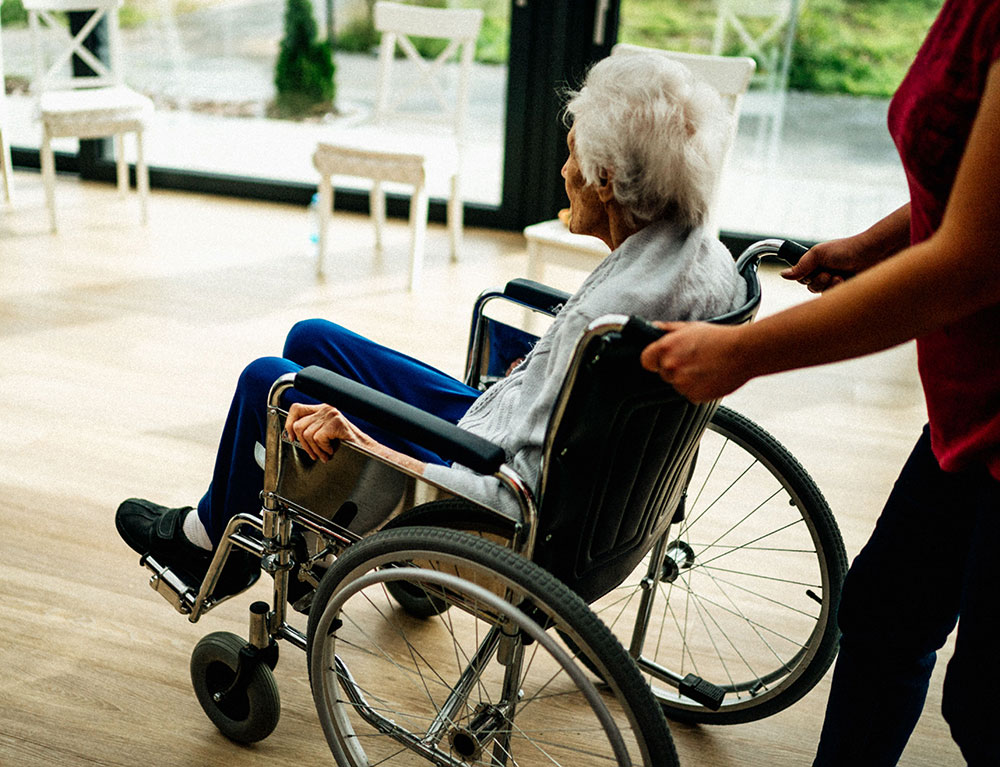
A nursing home, formally called a residential aged care facility, is for people who need ongoing nursing or high-level personal care that can no longer be safely provided at home or in an independent living setting.
Residents live in a room or suite within the facility, with all meals, laundry, and daily living support provided. Qualified nurses are on duty around the clock. Clinical and allied health services are delivered on-site.
Nursing homes in Australia are heavily government-subsidised. Residents pay a Basic Daily Care Fee (currently $66.80/day as of 2026), and depending on their assets and income, may also contribute toward accommodation costs via a Refundable Accommodation Deposit (RAD) and/or means-tested care contributions. Daily fees may apply for residents with greater assets for services such as meals, cleaning, laundry, non-clinical care and care fees. The important distinction: Moving into a nursing home is a significant shift in lifestyle and independence. It's the right choice when significant care is genuinely needed, but it's a very different life from independent retirement village living.
How Retirement Villages and Nursing Homes Compare
| Retirement Village | Nursing Home | |
|---|---|---|
| Independence | Full; you live in your own home | Limited; care is provided around the clock |
| Entry cost | Ingoing contribution (typically $500K–$900K in Melbourne) | RAD (national average ~$570K) or daily accommodation payment |
| Ongoing fees | Monthly recurrent charges (~$250–$800/month) | Basic Daily Care Fee ($66.80/day) + means-tested contributions |
| Government subsidy | None for the village itself | Significant; government funds most clinical care |
| Who it's for | Active, independent retirees 55+ | People needing ongoing nursing or high-level personal care |
| Care on-site | Usually limited or none | Full nursing and personal care, 24/7 |
| Social life | Rich; community events, facilities, neighbours | Present, but more limited by health and care needs |
The problem with choosing one or the other
For many families, the hardest moment comes not when someone first moves into a retirement village, but when their needs change.
A parent moves into a lovely village at 72, thrives there for a decade, and then at 82 needs more care than the village can provide. Now they have to move again, disrupting their home, their routines, their friendships, their sense of security; at exactly the time when stability matters most.
Or worse: a couple lives together in a village, one partner's health declines, and they end up in different buildings in different parts of the city.
This is the gap that most retirement living providers don't address.
A third option with the best of both worlds: a retirement village with a nursing home on site
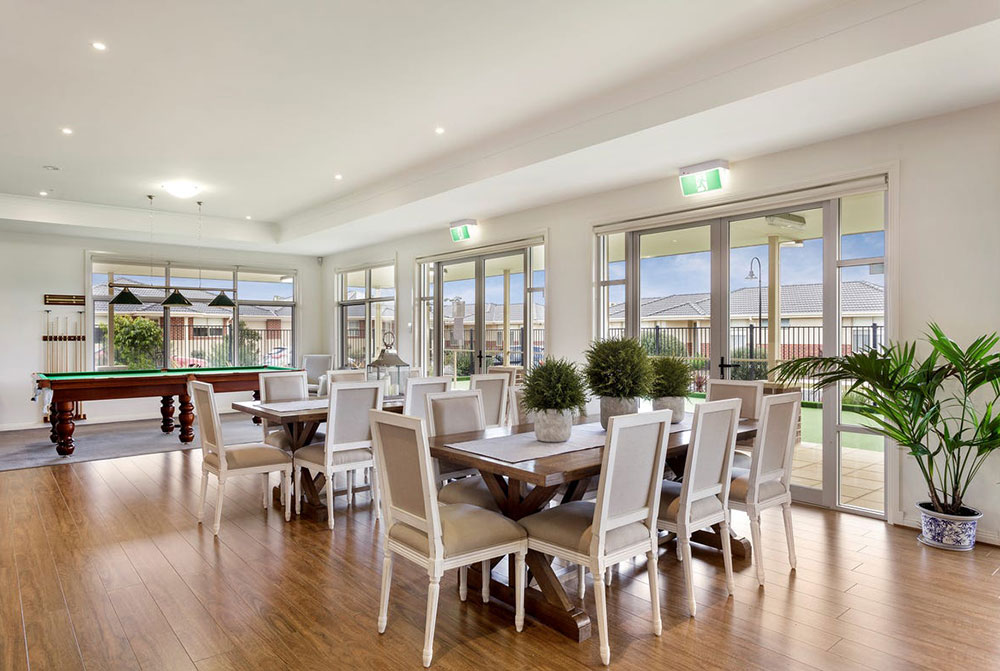
At Ageing in Place, we've built our villages specifically around this problem. Every one of our three Victorian villages combines independent living with a fully staffed, professionally operated nursing home on the same grounds.
What having a nursing home onsite means in practice:
- You move in as an independent resident in your own villa
- If your care needs change, you transition to the on-site nursing home without leaving your community
- Your garden, your neighbours, the staff you already know, your routines all stay the same
- If one partner needs nursing care while the other remains independent, they stay on the same grounds, close together
It's not a compromise between independence and care. It's having both, in the same place.
Which retirement accommodation option is right for your situation?
- Consider a standard retirement village if: You're active, in reasonable health, and looking for community, low-maintenance living, and the security of being among like-minded neighbours. Just make sure you understand what happens if your needs change.
- Consider residential aged care if: Significant ongoing nursing care is already needed, or imminent. This is a clinical decision as much as a lifestyle one.
- Consider a retirement village with on-site nursing care if: You want the independence and lifestyle of a village, with the security of knowing care is available if it's ever needed, without having to move again.
Come and see the Ageing In Place difference for yourself
The best way to understand what life at an Ageing in Place village looks like is to visit. We'll show you the village, introduce you to residents, and answer every question over a cup of tea with no pressure. Book a free tour at Mount Martha, Carrum Downs, or Berwick, or call us on 03 9822 9505.