It is one of the most personal decisions you will ever make, and there is no single right answer. But there are some clear factors that make one path a better fit than another. This guide clearly walks through the three main options, including the costs, the realities, and the things people do not usually mention.
One factor worth holding in mind as you read: how smoothly can you move from one level of care to the next, without uprooting yourself from the home and community you have built?
Option 1: Staying at Home
For many people, staying in the family home is the default, and for good reason. It is familiar, it is yours, and it is where your memories are. For active, healthy retirees who are well-connected to their neighbourhood, there is nothing wrong with this choice at all.
The upsides
- No entry costs, no contracts
- Full ownership and control
- Familiar environment and neighbours
- Freedom to modify as you choose
The realities to plan for
- Home maintenance, garden upkeep, and council rates continue and become harder to manage over time
- Modifications for accessibility (ramps, grab rails, walk-in showers) can cost $20,000 to $60,000 or more
- Social isolation is a genuine risk, particularly after the loss of a partner or as driving becomes difficult
- If care is eventually needed, it comes into your home, which can work well but can also become logistically complex and expensive
- If health declines significantly, you may eventually need to move, at a time when making major decisions is much harder, and often in a crisis
The hidden cost: The family home is often the largest financial asset. Many retirees have most of their wealth tied up in property that requires significant ongoing maintenance, while the money sits idle rather than supporting a comfortable lifestyle. And if a move eventually becomes necessary, it will likely happen under pressure rather than on your terms.
Option 2: A Retirement Village
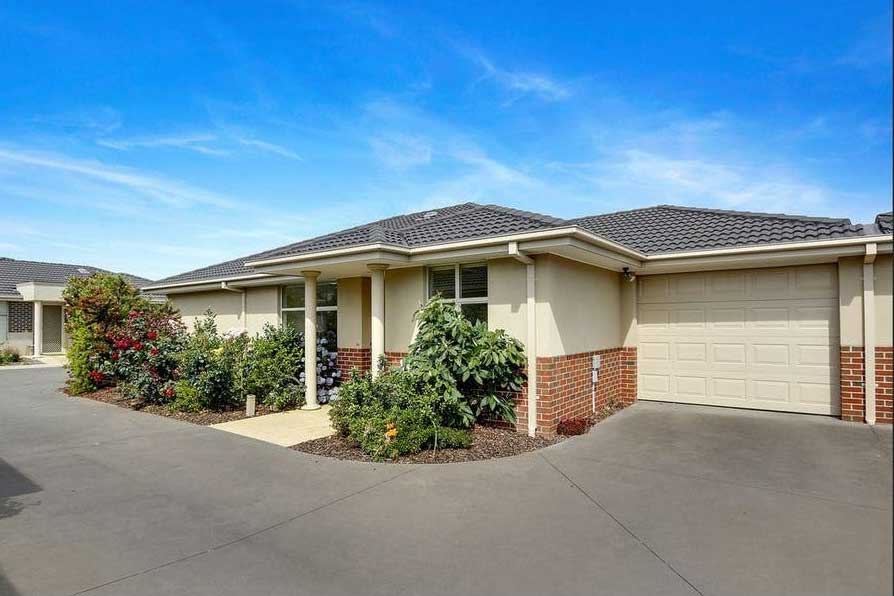
A retirement village, particularly one with on-site support or nursing care, is the middle ground between full independence and full care. You maintain your own home, routines, and life, but within a community designed for this stage.
The upsides
- No maintenance responsibilities: grounds, buildings, and communal spaces are all managed
- A ready-made community of people in a similar life stage, which significantly reduces social isolation
- Security and peace of mind: 24-hour emergency call systems and, in the best cases, on-site nursing care
- Freedom from the burdens of homeownership without giving up independence
- Releasing equity from your home sale can fund a more comfortable retirement
The realities to plan for
- Entry fees are significant (typically 60 to 80% of the median house price in the area)
- Deferred management fees apply when you leave, and these need to be understood before you sign
- You are moving into a community, which suits most people but requires some adjustment
- Not all villages are equal: quality, fees, and care capability vary considerably
The crucial differentiator: Not all retirement villages include on-site nursing care. Many are purely independent living communities. If your care needs change significantly, you may need to move again, often at the worst possible time, away from the neighbours, gardens, and routines you have come to rely on.
At Ageing in Place, all three of our Victorian villages are built around a different philosophy: independent living and a fully staffed nursing home on the same grounds. If your needs change, you do not move. Your home, your garden, your neighbours, and your community all stay exactly the same. This continuity of place is one of the most undervalued aspects of good retirement planning, and it is at the heart of everything we do.
Option 3: Residential Aged Care
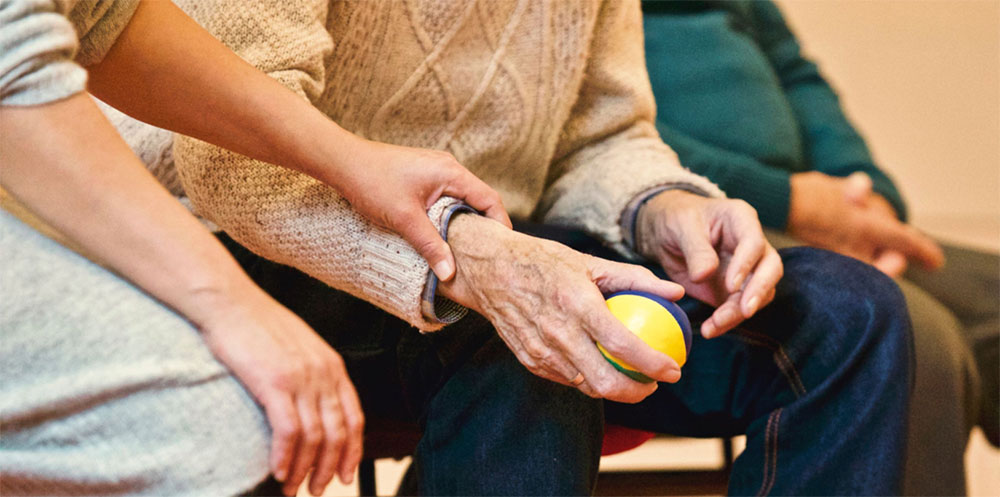
Residential aged care, what most people call a nursing home, is for people who need ongoing nursing or high-level personal care that cannot be delivered safely at home or in a standard retirement village.
The upsides
- 24/7 nursing and personal care
- Clinical and allied health services on-site
- All meals, laundry, and daily living support included
- Government subsidies reduce the cost significantly for eligible residents
The realities to plan for
- It is a significant lifestyle shift, not independent living
- Costs include a Basic Daily Care Fee ($66.80/day as of 2026), a Refundable Accommodation Deposit (national average above $570,000), and possible means-tested contributions
- Many people resist the move until a health event forces the decision, which means it often happens in a crisis, under time pressure
- For those in a standard village or at home, transitioning to residential aged care means leaving behind a familiar environment at a vulnerable time
This last point matters more than it might seem. Moving into residential aged care is far less disruptive when the nursing home is already part of your community. For Ageing in Place residents, it is not a move away from everything familiar. It is a short walk across the same grounds, with the same faces around them.
Choosing Based on Your Situation
Rather than prescribing a single answer, here are some genuine indicators for each path.
Staying at home may suit you if:
- You are active, in good health, well-connected in your neighbourhood, and have a manageable home
- You have family nearby who can assist if needed
- You have a clear, realistic plan for what happens if your needs change
A retirement village may suit you if:
- You want the security and community of a village without giving up independence
- You are starting to find the family home a burden rather than a joy
- You want to make the decision while it is yours to make, rather than waiting for a health event to force it
- You are concerned about social isolation, particularly if you live alone or your partner has health issues
- You want the reassurance of knowing that if your care needs change, you will not have to leave your home and community to meet them
Residential aged care may be appropriate if:
- Significant nursing or personal care is already needed
- Living safely and independently is no longer possible, even with support
A Fourth Option Worth Considering
For couples in particular, there is a scenario that standard retirement living does not handle well: what happens when one partner's needs change significantly while the other remains independent?
In a traditional arrangement, this often means separation. One partner in a nursing home, the other at home or in a village, in different buildings, different routines, potentially long distances apart. It is one of the most distressing outcomes families face, and it is almost entirely avoidable with the right planning.
At Ageing in Place, our villages are specifically designed to prevent this. One partner can remain in their independent villa while the other receives nursing care just metres away in the on-site nursing home. Same grounds. Same view. Same community. Visits whenever you like, without travel, without planning, without the distance that so often makes a hard situation harder.
The ability to progress through care levels without changing location is not a small convenience. For many families, it is the single most important factor in choosing where to live. It is the reason residents tell us they wish they had come sooner.
Ready to Explore Your Options?
If you would like to see what retirement village living actually looks like, without any pressure, we would love to show you around. Book a free tour at Mount Martha, Carrum Downs, or Berwick, or call us on 03 9822 9505.