Retirement villages and aged care are often mentioned in the same breath, so it is easy to assume they are the same thing. They are not. They serve different needs, they work in different ways, and they are set up and paid for differently.
Understanding the difference helps you plan with confidence, whether you are thinking about your own future or helping a parent make a decision. This guide explains how each option works, where they overlap, and how some communities bring independent living and nursing care together.
What does "ageing in place" mean?
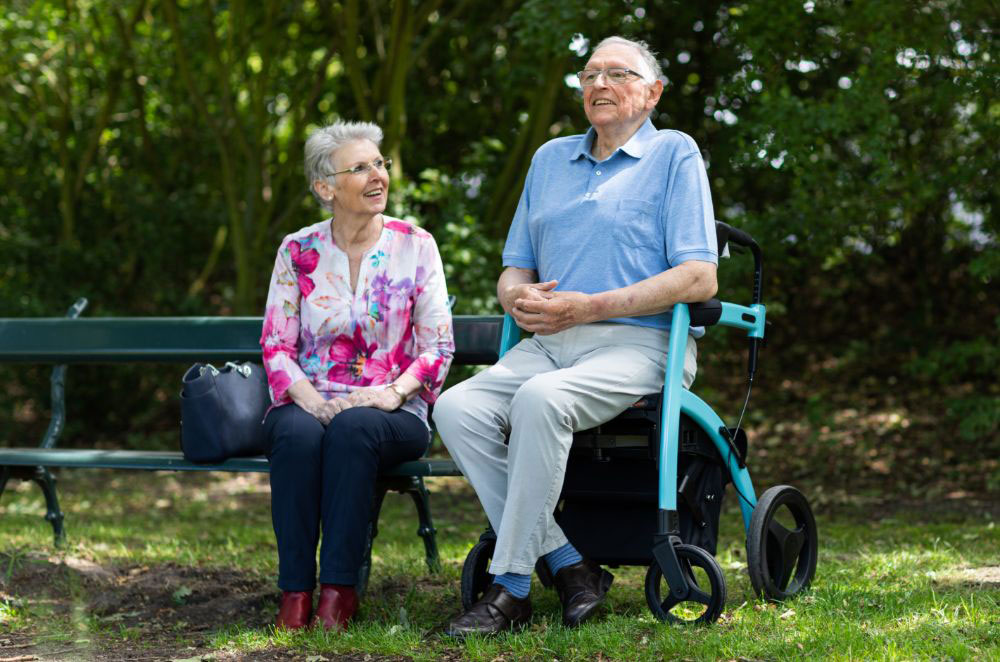
"Ageing in place" is a term widely used in aged care and housing for older people. It describes the ability to stay in your own home and community, safely and comfortably, as your needs change over time, rather than having to move every time your health or support needs increase.
In practice, ageing in place depends on having the right support close by. For some people that means home help or changes to a house. For others, it means living somewhere designed so that care can be added when needed, without leaving the community they know.
This is the concept our villages were named after, and the idea they were built around. Each Ageing in Place Village in Berwick, Carrum Downs and Mount Martha combines independent living with an on-site nursing home, so residents can stay among their neighbours and friends as their needs change.
What is a retirement village?
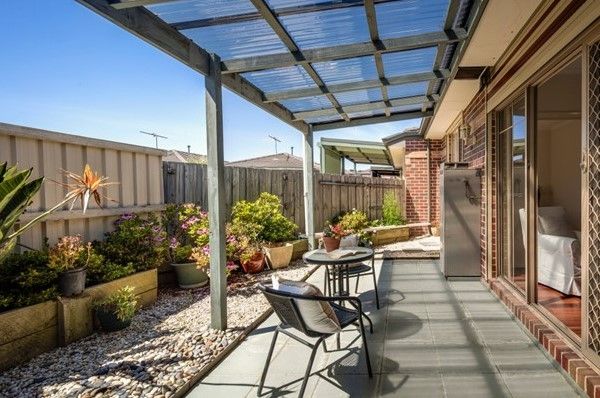
A retirement village is a community of private homes designed for older people who want to live independently. Residents typically live in their own villa, townhouse or apartment, manage their own daily routines, and come and go as they please.
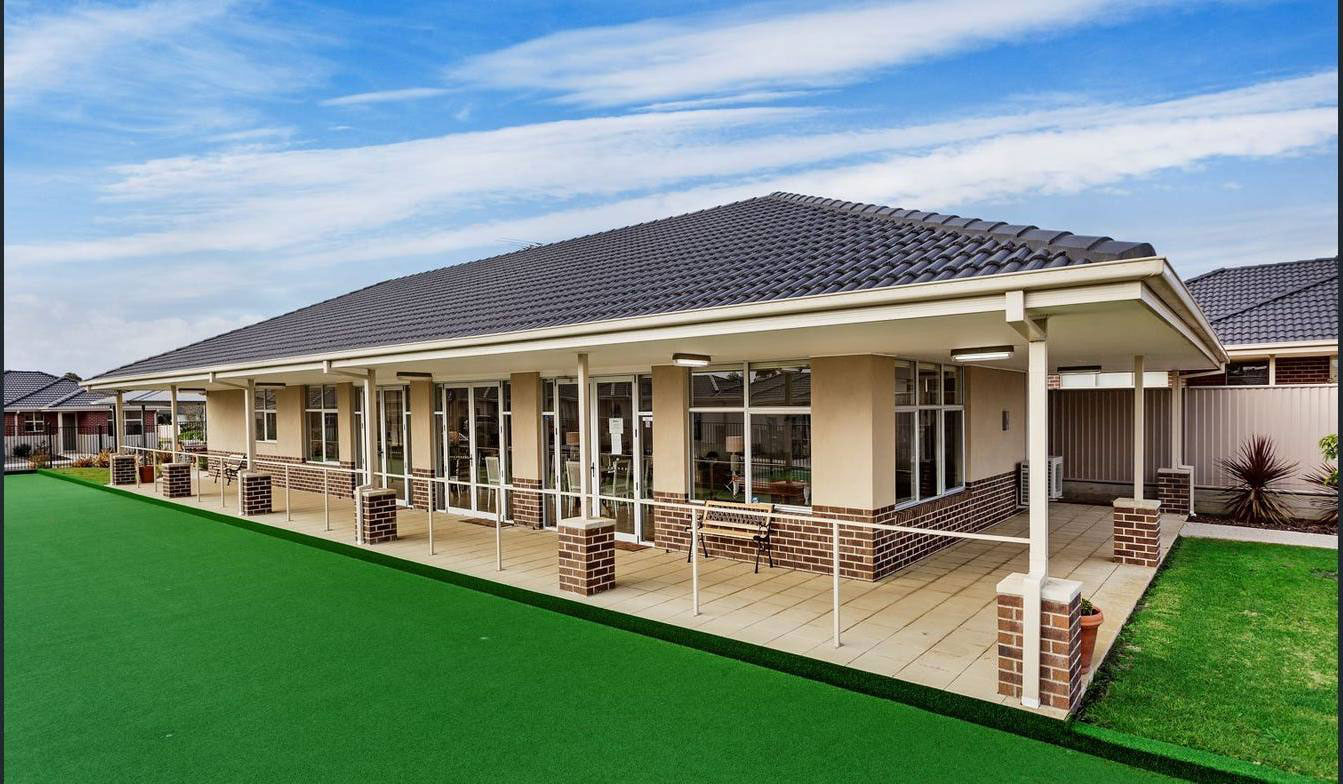
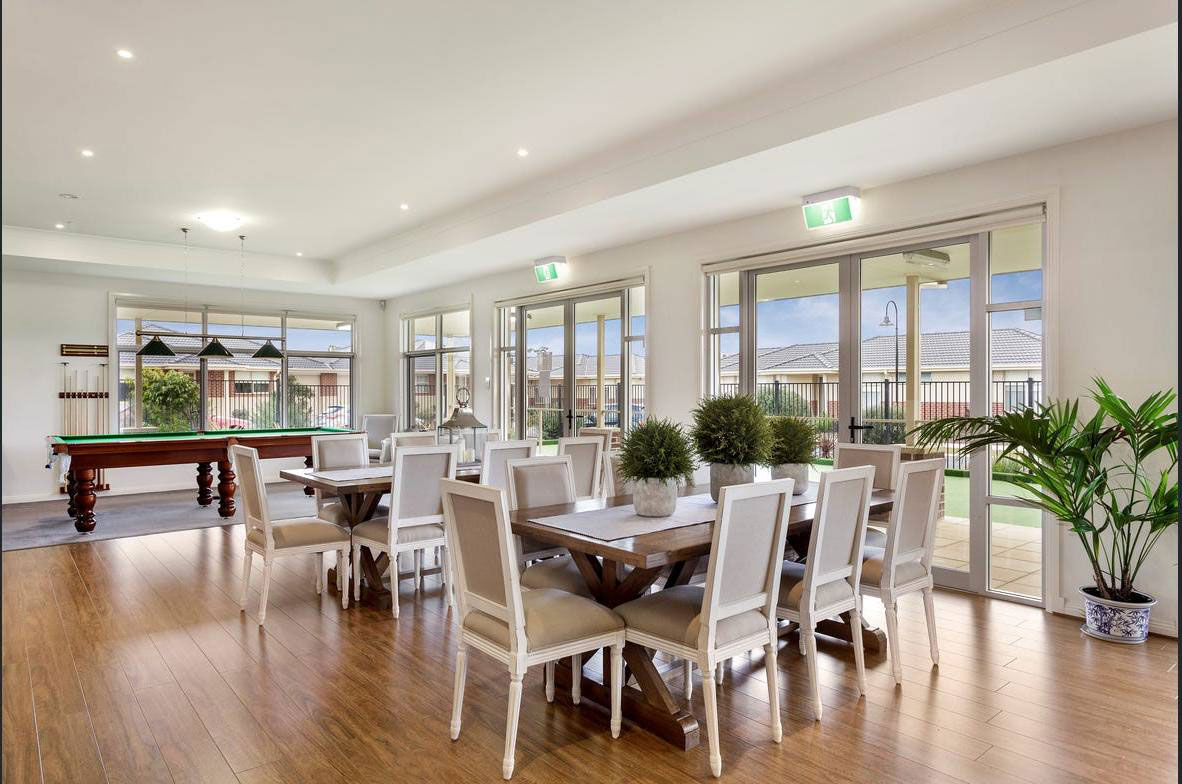
Villages usually offer shared facilities and social activities, along with added security and maintenance support. Most set a minimum age for new residents, commonly 55 or over, and each village sets its own entry requirements.
The key point is that a retirement village is about lifestyle. You are choosing a home and a community, not a care service, even though private services may be bought into the home.
What is aged care?
Aged care is support for people who need regular help with daily living or health needs. That support can be delivered at home, or in a residential aged care home, often called a nursing home, where staff provide accommodation, personal care and nursing around the clock.
Access to government-funded aged care generally begins with an assessment through My Aged Care, which looks at the level of support a person needs. Aged care is about care and safety first, with accommodation as part of the service.
What is the main difference between a retirement village and aged care?

The simplest way to think about it is independence versus support.
- Retirement village: you live in your own home, you are independent, and you choose the level of community involvement you want.
- Aged care: you receive regular personal or nursing care, and the setting is designed around those care needs.
A person in a retirement village is a homeowner or resident living independently. A person in residential aged care is receiving ongoing care. Many people spend years in the first before ever needing the second, and some never need aged care at all.
How do independent living and aged care compare day to day?
In independent living, your day belongs to you. You cook your own meals if you want to, manage your own appointments, host family, travel and pursue hobbies. Support is available if you want it, but it is not automatically built into the routine.
In residential aged care, meals, medication, personal care and nursing are organised around residents' needs. Staff are on site to help with things like mobility, hygiene and health monitoring.
Neither is better in principle. The right choice depends entirely on a person's health, wishes and circumstances at the time.
How are the costs and contracts different?
The two options are paid for and regulated in different ways.
Retirement village living is usually governed by a village contract, and costs generally include an entry cost, ongoing fees for services and maintenance, and an exit arrangement when you leave. In Victoria, retirement villages operate under state legislation, so it is worth reading any contract carefully and getting independent advice before you sign.
Residential aged care costs follow a different structure, with fees that depend on the type of care and, in many cases, an assessment of a person's finances. Because the rules and funding arrangements change from time to time, it is best to check current information with My Aged Care or a qualified adviser.
Whichever way you are leaning, asking for a clear written breakdown of all costs is always a good first step.
Do you have to leave a retirement village if you need care?
In many retirement villages, yes, eventually. Independent living villages generally do not provide nursing care, so a significant change in health can mean moving to a separate aged care home. That can be disruptive and stressful, particularly for couples who may have to be separated or for people who have built strong friendships in their village.
Some residents arrange care at home through external providers, which can extend how long they stay in their own home. But there are limits to what in-home support can provide, and eventually a move may still be needed.
This is the question worth asking early: what happens if my needs change?
Is there a retirement village with a nursing home on site?
Yes, and it is worth knowing that this option exists. A small number of communities combine independent living and a nursing home on the same site, so residents can stay in familiar surroundings if their needs change.
Ageing in Place is designed around this idea, and our villages are named after it. Our villages in Berwick, Carrum Downs and Mount Martha each offer independent living alongside an on-site nursing home. You live independently for as long as you choose, and if you later need more support, care is available within the same community, near your neighbours and friends.
The result is one move rather than several, and greater peace of mind for you and your family.
How do Berwick, Carrum Downs and Mount Martha support both independent living and care?
Location matters in both situations. Being close to shops, medical services and transport supports independence in the early years, and it makes it easier for family to visit and stay involved if care is needed later.
Berwick. For those exploring retirement villages in Berwick, residents are just minutes from the established Berwick town centre and Westfield Fountain Gate, in an area known for its parks and riverways. It also has excellent public transport links, freeway access, health services and multiple hospitals nearby.
Carrum Downs. The Carrum Downs village suits those who want everyday services nearby, including bus stops about a two-minute walk away on Frankston-Dandenong Road, Ritchies IGA roughly a 10-minute walk away, and the Carrum Downs Lifestyle Centre about 14 minutes on foot. The village runs regular outings and is close to Frankston's hospitals and shopping.
Mount Martha. In Mount Martha, residents enjoy a relaxed Mornington Peninsula setting close to Benton Square and the foreshore beaches, both about one kilometre away. The village backs onto Dunns Reserve Park, with golf courses and cafes nearby and the peninsula's wineries a short drive away.
How do you decide which option is right for you or a loved one?
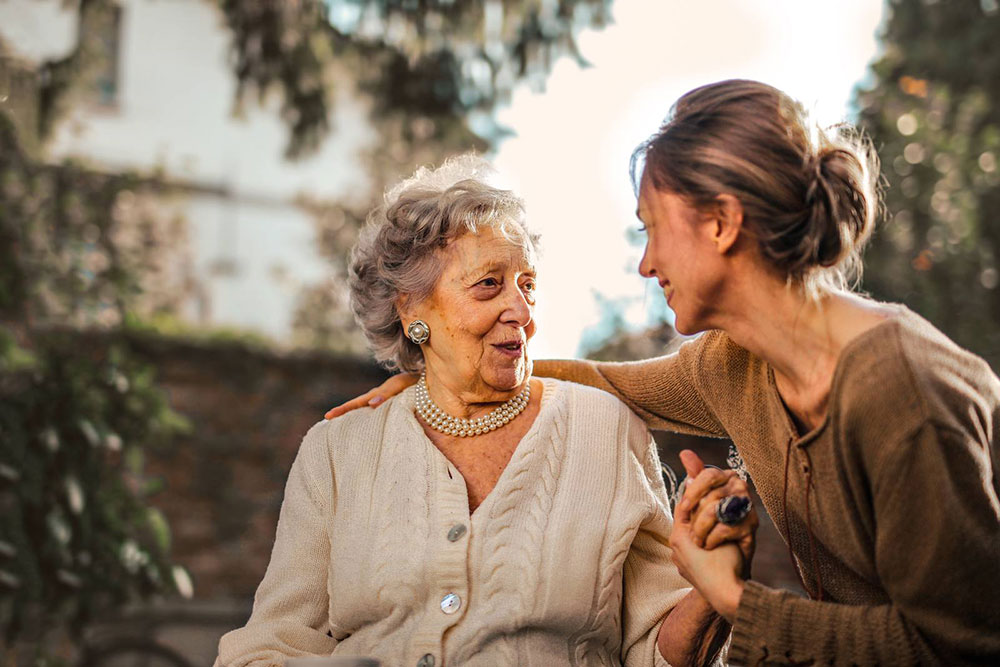
A few questions can help guide the decision:
- Is the person currently well and independent, or are they already needing daily support?
- Would they like to be part of a community while they are active?
- Does the family want certainty that care can be accessed without a second move?
- Are the costs and contract terms clearly understood, in writing?
If the answer is independence now with reassurance for later, a village that combines both may be worth a closer look.
Take the next step
If you would like to see how independent living and on-site nursing can work together, we would be glad to show you around. Contact us to arrange a visit to our villages in Berwick, Carrum Downs or Mount Martha.