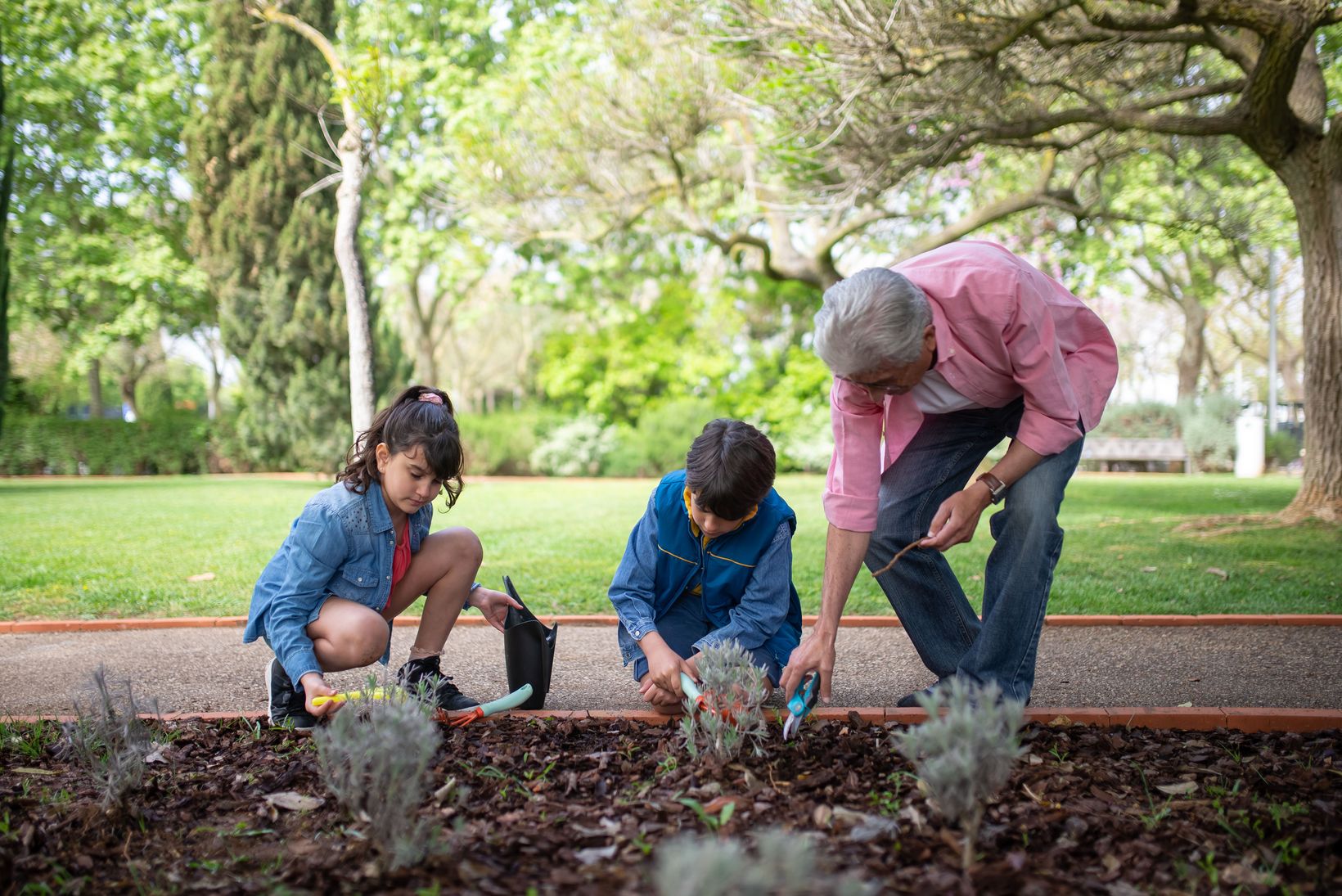
For many years, the house was full. School runs, sport on weekends, dinners that needed a bigger table. Then one day the children have homes of their own, and the house gets very quiet.
That quiet can be peaceful at first. But over time, many retirees find that their social world has shrunk without them noticing. The daily contact that came with raising a family, and often with work, is gone. Planning a community around you in retirement is one of the most valuable things you can do for your health, happiness, and independence.
Why community matters more than most people expect when you retire
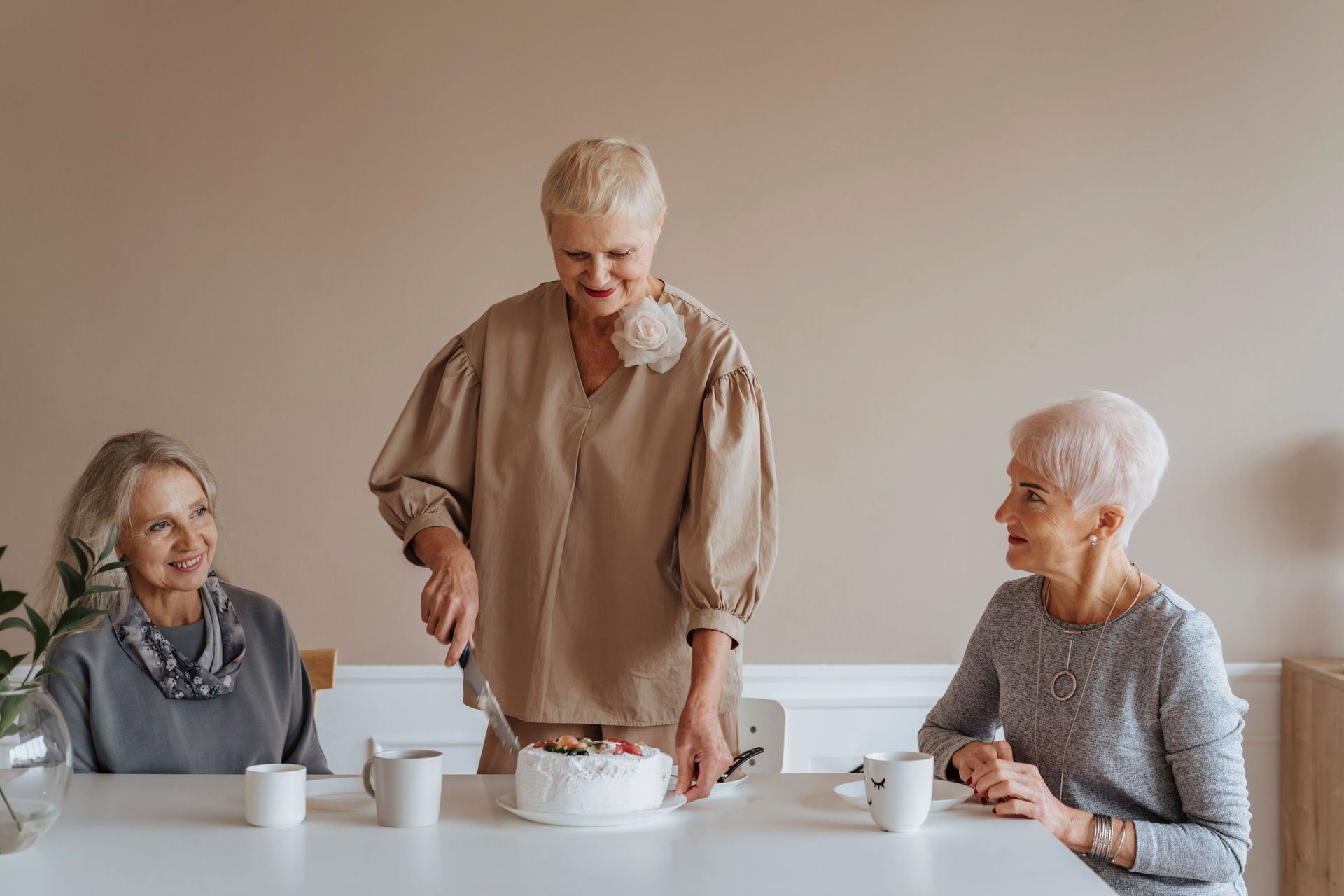
Staying connected is not just pleasant; it is part of staying well. Regular social contact is linked to better mood, sharper thinking and greater confidence in daily life. Having people nearby also means someone notices if you are unwell, someone can lend a hand with a small problem, and someone is there for a chat over a cuppa.
The challenge is that friendships built around work or school communities often fade after those chapters close. Building new connections takes intention, and it is far easier to do while you are active and well than later when you need support.
Understanding the empty nest mindshift
When children move out, the change is more than emotional. Your daily rhythm changes, your home may feel larger than you need, and the maintenance that once felt manageable can start to feel like a burden.
This is a natural moment to ask a few honest questions:
- Who do I see in a typical week?
- If I needed help tomorrow, who is within ten minutes of my front door?
- Does my home still suit the way I want to live?
Asking these early gives you the choice to shape your next chapter, rather than reacting to it.
What does a good retirement network look like?
A strong network is not one big group of friends. It is a mix of connections that cover different needs:
- Neighbours: people close enough for a daily wave and a casual coffee
- Shared activities: bowls, cards, gardening, walking groups, book clubs
- Practical support: people who can help with lifts, errands or a spare set of keys
- Family: the people you love and want to see often
- Care and health support: knowing help is available when your needs change
When these layers are in place, you can enjoy your independence knowing a safety net is there.
Retirement villages offer the best of both worlds - keeping family close without relying on them for everything.
Many retirees worry that moving to a smaller home or a village means less time with family. In practice, the opposite is often true. When you are not relying on your children to check in on you or help with the house, time together tends to be more relaxed and more enjoyable.
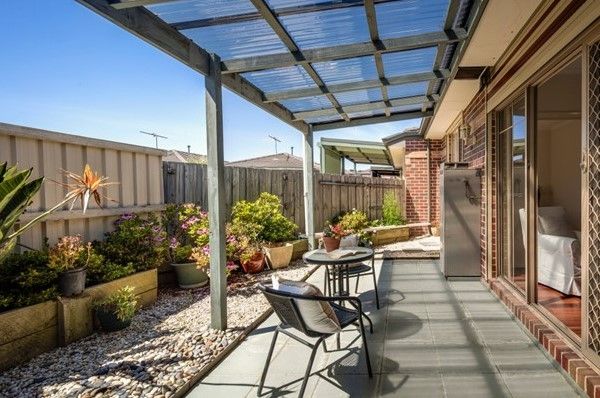
Grandchildren are a good example. A low-maintenance home with a garden, a barbecue area and space for an overnight stay means visits can be about playing and talking, not about fixing the gutters. Many villages also have community spaces where larger family gatherings can be held without taking over your living room.
The goal is a home with room for family to visit, and a community that means you are never relying on them alone.
How to balance private and social life in a retirement village while planning for the future
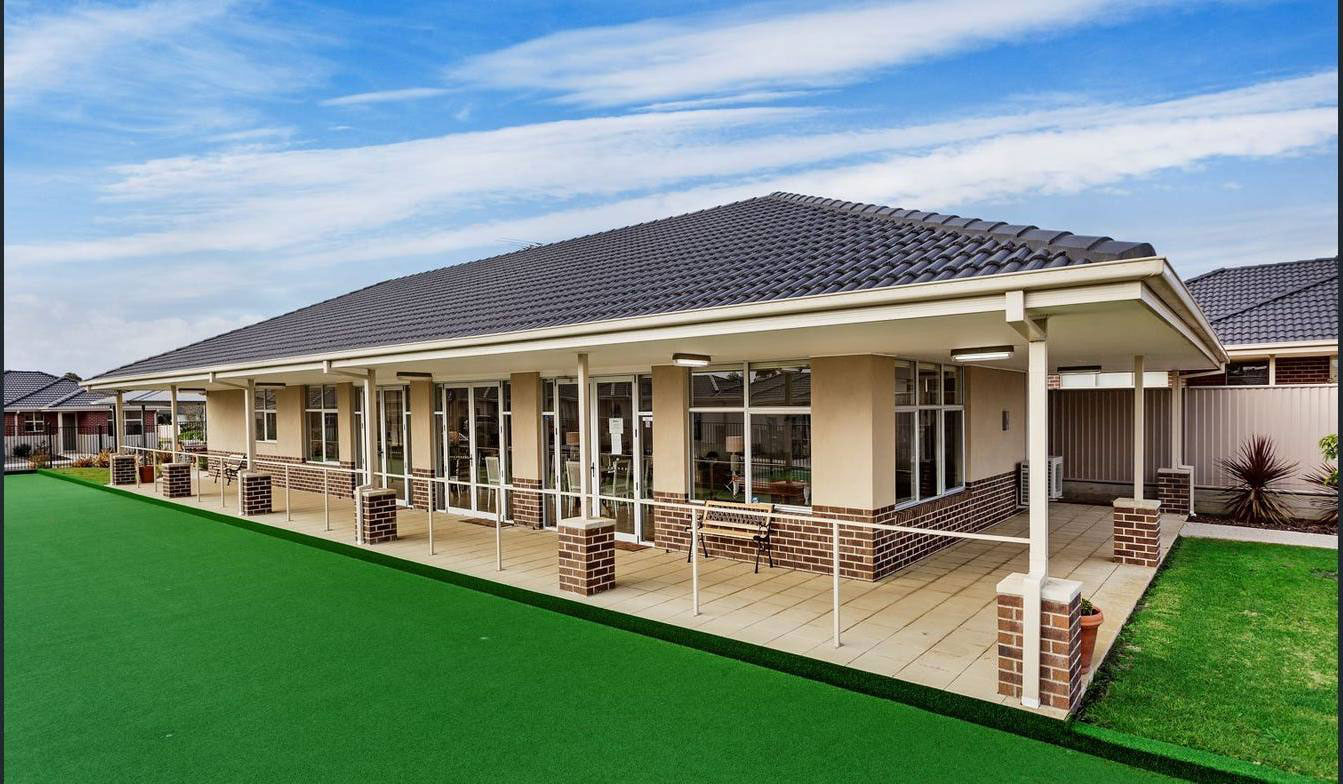
Retirement villages are designed around the important balance of private and social life. You have your own home, with a door you can close when you want quiet, and a ready-made community when you want company.
At Ageing in Place Retirement Villages, each of our three Victorian villages combines independent living with a nursing home on the same grounds. That means your friendships and routines stay intact even if your care needs change over time.
- Mount Martha: 59 independent villas set on 7.5 acres and backing onto Dunns Reserve Park, with a clubhouse featuring bowls, billiards and a library. Benton Square and the foreshore beaches are around 1 km away, perfect for a morning walk or a family day by the water.
- Carrum Downs: 92 independent villas in a gated estate, with a community centre including a library, billiards and indoor bowls, plus a village bus service to help you get out and about.
- Berwick: a boutique community of 30 independent villas set in landscaped surrounds, just minutes from the Berwick town centre and Fountain Gate Shopping Centre, with a community centre, library and barbecue pavilion.
Every village also offers a 24-hour emergency call system, giving you and your family added peace of mind.
Practical steps to start building your retirement network now
- Start before you need it. Friendships take time, so begin while you are busy and well.
- Say yes to invitations. Even when you are not sure, one coffee often leads to another.
- Choose activities you enjoy. Shared interests make conversation easy.
- Think about location. Being near shops, parks, public transport and family makes everything simpler.
- Visit before you decide. Spend time in a village, meet the residents and see how it feels.
- Talk with your family. Share what matters to you so they can support your plans.
Frequently Asked Questions

Will I still see my family if I move to a retirement village?
Yes. Residents regularly host children and grandchildren, and many villages have communal areas for larger gatherings.
Can grandchildren visit and stay?
Absolutely. Villas are private homes, so visits are welcome, and outdoor spaces and barbecue areas make family time easy.
When is the right time to think about building a retirement community?
Earlier than most people think. Making connections while you are active and independent means a strong network is already in place if your needs change.
What does "ageing in place" mean?
It means staying in the place you call home even as your health needs change and you get older, rather than having to move again.
Come and see for yourself
The best way to understand village life is to experience it.
Book a free, no-pressure tour at our Mount Martha, Carrum Downs or Berwick villages, or call our friendly team on 03 9822 9505.