
If you've started researching retirement villages in Melbourne, the first question is almost always the same: how much is going into a retirement village actually going to cost?
It's a fair question, and one the industry hasn't always answered clearly. This article breaks down every layer of retirement village costs: what you pay to move in, what you pay to live there, and what happens when you eventually leave. We also include links to the detailed Information Statements for each of our retirement villages in Victoria, so you can make an informed decision with no surprises.
The Three Layers Of Retirement Village Costs
Retirement village fees generally fall into three distinct categories. Understanding each one separately makes the overall picture much easier to navigate.
1. The Entry Fee (Ingoing Contribution)
This is the largest upfront cost, and it varies considerably depending on location, village quality, and the size of the residence.
As a general guide, entry fees across Australia average around 70% of the median house price in the same postcode. In Melbourne, where the median house price exceeded $1 million in 2026, entry fees for well-located villages typically sit in the $600,000–$900,000 range, though boutique or coastal villages, such as those on the Mornington Peninsula, may be higher.
The good news: for most people downsizing from a family home, the sale of that home more than covers the entry fee, with money left over.
It's worth noting that entry fees are often negotiable, particularly if a village has stock available. Operators generally prefer a settled resident to an empty villa.
What are you buying? In most cases, a licence to occupy or a leasehold interest, not freehold ownership. This is important to understand before you sign, and a key reason to have a solicitor review any contract.
2. Recurrent Charges (Monthly Fees)
Once you're in, you'll pay ongoing monthly fees that cover the maintenance and operation of communal areas, village services, and shared facilities. These vary by village but typically range from $300 to $700 per month, depending on what's included.
At Ageing in Place Retirement Villages, recurring charges are intentionally kept low and transparent: no surprise bills, and everything is spelled out upfront. Our fees cover grounds maintenance, building insurance, emergency call systems, and access to all communal facilities.
Before committing to any village, ask for a full schedule of what the monthly fee includes, whether it can increase, and by how much over time.
3. The Exit Fee (Deferred Management Fee)
This is where retirement village costs become more complex, and where many people get caught off guard.
The deferred management fee (DMF), also called an exit fee or departure fee, is a percentage of your entry price (or in some cases, the resale price) that the village retains when you leave. It typically accrues over time, often at around 3–4% per year, and is usually capped at 25–40%, depending on the contract.
For example, if you paid $700,000 to enter a village and your contract has a DMF of 4% per year capped at 30%, after 8 years you'd forfeit $210,000 when you leave.
This isn't hidden: it's a standard part of the retirement village business model, and it's disclosed in the Information Statement you receive before signing. But it does mean you should factor it into your long-term financial planning.
A Worked Example Over 10 Years
To make this concrete, here's a simplified example for a typical Melbourne retirement village at the mid-range:
| Cost | Amount |
|---|---|
| Entry fee | $750,000 |
| Monthly recurrent charges (10 years @ $450/month) | $54,000 |
| Deferred management fee (30% of entry) | $225,000 |
| Total cost over 10 years | $1,029,000 |
That sounds like a lot, but compare it to the alternative. Maintaining a family home over the same period (rates, insurance, maintenance, utilities, and possible accessibility modifications) can easily run into the hundreds of thousands, with none of the security, community, or on-site care that a village provides.
Retirement Village vs. Staying At Home
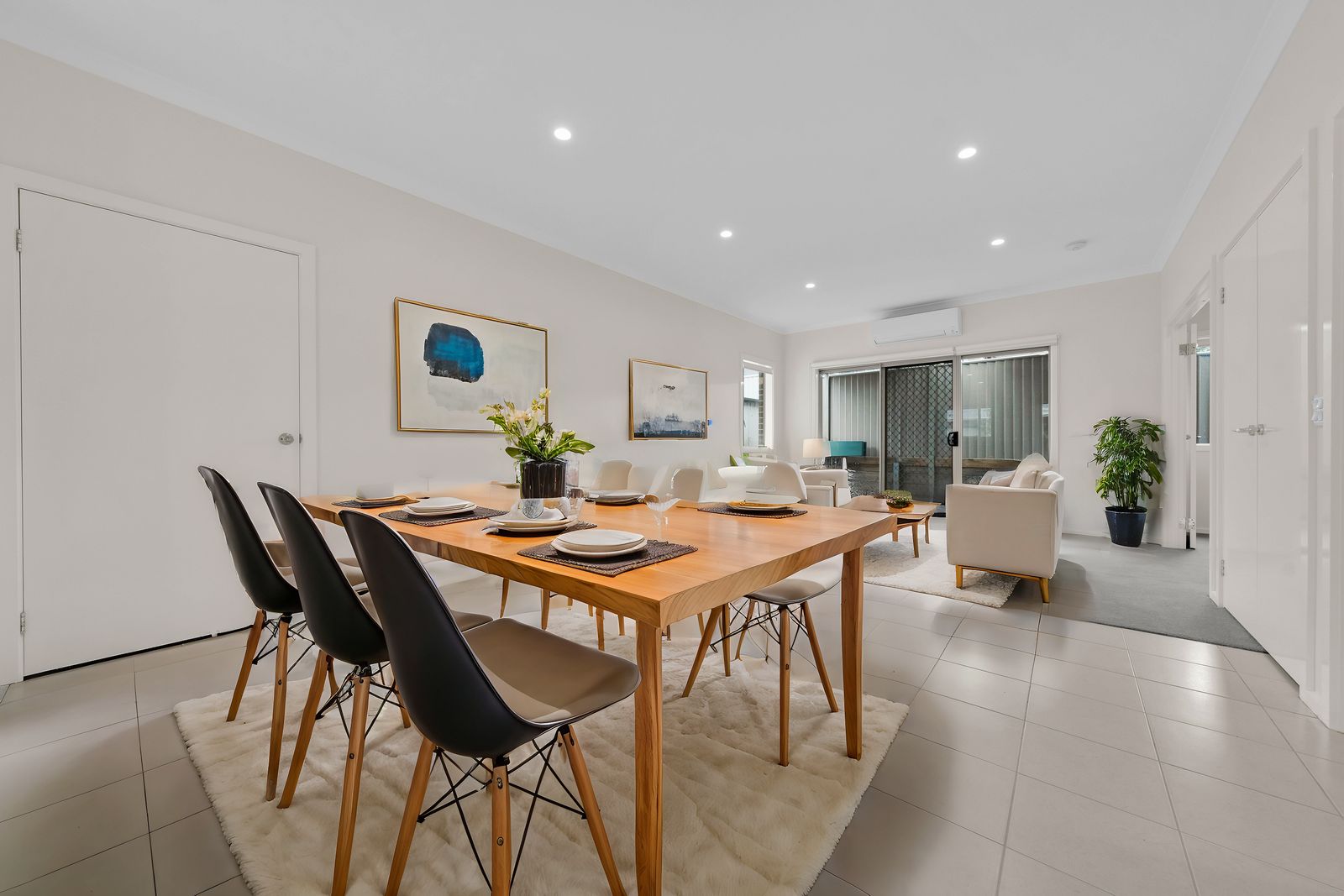
The question isn't just "how much does a retirement village cost?" It's "what am I getting for that cost, compared to my alternatives?"
Staying at Home
Staying at home means lower upfront costs, but ongoing home maintenance, council rates, utilities, and potentially significant renovation costs as your needs change. It also means no on-site community or support. If care is eventually needed, it comes into your home. This approach may be appropriate for some people, but it can become expensive, logistically complex, and somewhat lonely.
Moving to a Retirement Village With On-Site Nursing Care
Moving to a retirement village with on-site nursing care does have a higher upfront entry cost. It also has predictable monthly fees, no maintenance responsibilities, a ready-made community, and, critically at villages like ours, the security of knowing nursing care is available on-site if you ever need it. You don't have to move twice.
For many people, the retirement village makes financial sense once you account for everything, particularly when you factor in the equity released from selling the family home.
What to Ask Before You Commit
Before signing anything, make sure you have clear answers to these questions:
- What is the total entry fee, and is it negotiable?
- What exactly do the monthly recurrent charges cover, and how are increases managed?
- What is the deferred management fee structure: percentage, cap, and whether it's calculated on entry price or resale price?
- Who pays for the cost of preparing the unit for resale when you leave?
- Have you reviewed the Information Statement with a solicitor?
All Ageing in Place Villages provide a full Information Statement before any commitment is required.
Download Our Village Information Statements
For specific information about each of our Ageing In Place Retirement Villages, please view the Information Statements below.
Ready to Book a Tour or Talk Numbers?
The best way to understand whether a retirement village makes financial sense for your situation is to have a real conversation and, ideally, to see the village for yourself. Our team is happy to walk you through costs, answer every question, and give you the time you need to make the right decision.
Book a free personal tour or call us on 03 9822 9505.
This article provides general information only and does not constitute financial advice. We recommend speaking with an independent financial adviser or solicitor before making decisions about retirement living.