
This guide covers the ten most important questions to raise on any retirement village tour, including a few that some operators would rather you didn't ask. At the bottom of this page, you can download a printable version of this checklist to bring with you.
1. What exactly do my monthly fees cover and how much can they increase?
Monthly recurrent charges are an ongoing cost for the life of your residency. Before you commit, you need to know exactly what's included (maintenance, insurance, emergency call system, communal facilities?) and what's not.
More importantly: ask how much fees have increased over the past five years, and what mechanism governs future increases. Some villages tie increases to CPI; others have more discretionary arrangements. A village with beautifully low fees today may not be so affordable in a decade.
2. What is the deferred management fee, and how is it calculated?
The deferred management fee (DMF), also called an exit fee, is what the village retains when you leave. It's typically a percentage of your entry price, accruing each year up to a cap.
Ask: What is the percentage per year? What is the maximum cap? Is it calculated on your entry price or the resale price? Does the resale calculation include or exclude capital gains? Understanding this fee is essential to your long-term financial planning.
3. What happens if my care needs change?
This is arguably the most important question of all, and many people don't think to ask it until they're already living in a village.
Does the village have on-site nursing care? If not, what happens if your health changes significantly? Will you need to move? Is there a waiting list for higher care? How is the transition managed?
At Ageing in Place, every village has a fully staffed nursing home on-site, which means this question has a clear, reassuring answer: you stay.
4. What happens if one of us needs more care than the other?
For couples, this is a scenario that's more common than most people realise. One partner's health changes; the other remains independent. In a standard retirement village, this can mean separation.
Ask how the retirement village manages this situation. Are there options for one partner to remain in the independent villa while the other accesses higher-level care? Are the two facilities on the same grounds? How close together could you be?
5. What are the rules around pets, guests, and modifications?

Before you fall in love with a village, check that your life can fit within it. Questions to cover:
- Are pets allowed? Any restrictions on size or type?
- Can family stay overnight? For how long?
- Can you modify your villa (paint, garden, fittings)?
- Are there restrictions on when you can be away from the village?
The answers vary significantly between villages, and they matter for day-to-day life.
6. Who manages the village, and how long have they been doing it?
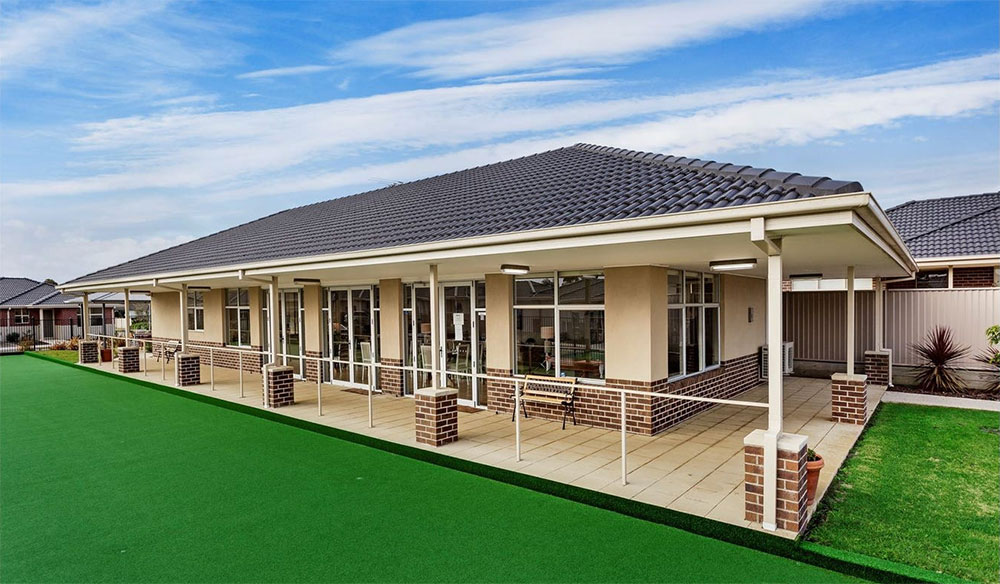
The physical village is only part of the picture. The people who run it determine the culture, the responsiveness to resident concerns, and the quality of day-to-day life.
Ask about the operator's experience and history. How long have they run this village? What's the staff turnover rate? How are maintenance requests handled, and how quickly? How are disputes between residents, or between residents and management, resolved?
A good operator will answer these questions confidently. Hesitation is worth noting.
7. How are decisions about the village made, and how much say do residents have?
Most reputable villages have a residents' committee that provides input on communal decisions. Ask what powers that committee has, whether management is required to consult it on fee increases or significant changes, and how disputes are escalated.
Residents should have a genuine voice, more than just a consultation exercise.
8. What do the village documents actually say?
Every retirement village operator in Victoria is required by law to provide a formal Information Statement before any contract is signed. This document discloses all fees, the DMF structure, the operator's financial position, and the key terms of the contract.
Ask for this document before your tour, if possible. Read it carefully. Have a solicitor review it before you sign anything. Don't let enthusiasm for a village, or pressure from a sales team, rush this process.
You can download the Ageing in Place Information Statements for each village directly below:
9. Can I speak to current residents?

A good village will actively encourage this. Current residents are the most honest source of information about what daily life is actually like: the quality of maintenance, the responsiveness of management, the social scene, and whether the promises made on the tour match reality.
If a village is reluctant for you to speak with residents without supervision, ask yourself why.
10. What does the leaving process actually look like?
No one wants to think about leaving before they've even arrived, but this is exactly when to ask. Who manages the resale of your unit? Does the village use its own agents or can you choose? How long does resale typically take? What are you responsible for in terms of preparing the unit for sale (cleaning, repainting, recarpeting)?
Understanding the exit clearly before you enter is the sign of a confident, transparent operator.
When you visit Ageing in Place
Our tours are relaxed, unhurried, and genuinely designed for you to ask every question on this list and more. We'll show you the village, introduce you to residents, and sit down over a cup of tea to walk through everything.
We're not in a hurry. We'd rather you take the time you need to make the right decision.
Book a free tour at Mount Martha, Carrum Downs, or Berwick, or call us on 03 9822 9505.
For independent guidance on retirement village contracts in Victoria, Seniors Rights Victoria offers free legal advice: 1300 368 821.